The Future of the Republic of South Sudan
- Rakkan Alhumaymidi
- Nov 30, 2020
- 3 min read
9th July 2011 was a historical day for the South Sudanese people due to the achieved independence. The day that had been pursued by the Nilotic people of the South Sudan region for a long time; they constitute a number of tribes located in the region. They always dreamt to have their own country one day.
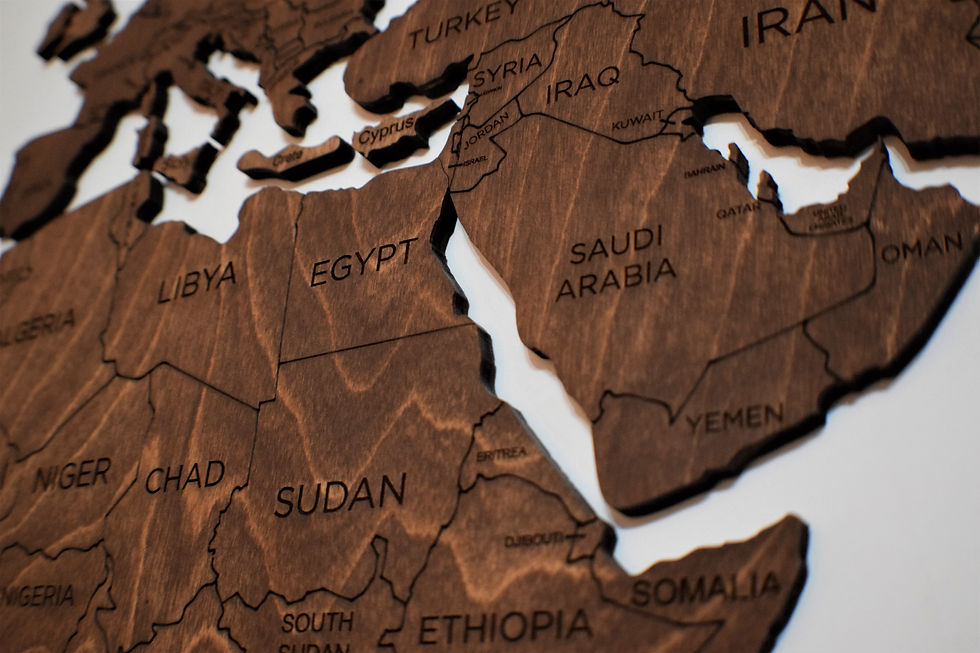
Back in time, 1st January 1956 witnessed a milestone for the entirety of the Sudanese nation who drafted, after a long conflict with Egypt and the UK, a new era for their future by having their country recognized internationally. The celebratory moment did not last long though, as a spark was flung declaring the first internal conflict between the northern and southern regions of the Republic of the Sudan. During which, the Southerners deployed armed groups within their region, demonstrating their rights to have their own country. The Sudanese nation suffered a lot for almost 20 years. The war had taken about half a million lives.
The storms do not last forever, the Sudanese finally shined some light at the darkness by signing a peace agreement that ended the first civil war and turned a bloodstained page in the modern Sudanese history. However, the contentment did not last long either. 1983 witnessed a second civil war, this one was more brutal and even longer than the previous one.
Two million Sudanese lost their lives, in addition to famine, displacement and diseases were spread all over the country. Sudanese could have been settled down in any part of the world except their own country. The second civil war brought the whole country to the brink of poverty, destruction and political dismantle.
Back to the day of independence of the Republic of the South Sudan, which is July 9th. The Southerners have made their dream come true. Their own country has officially been recognized internationally. One of the youngest populations around the world, with 73.7% of the population being below 30 years old, has been promised to have an opportunity to rebound the country as they always wished. But have their leaders ever honoured their promises? Unfortunately, no.
2013, just two years after independence; the newest recognized country across the globe had its first internal war between its political parties which thus, ruined the promising country's dreams. The Human Rights Watch reported that "all parties to the conflict committed serious abuses, including indiscriminate attacks against civilians including aid workers, unlawful killings, beatings, arbitrary detentions, torture, sexual violence, recruitment and use of child soldiers, looting and destruction of civilian property. Some of the abuses constitute war crimes or crimes against humanity". Although, the International Humanitarian Law enforceability does not extend its rules to cover internal wars, the Southern leaders should have respected their people's rights and lives. Having power over the opposition was the only goal at the forefront of the leaders' minds. The war caused one of the fastest growths of a humanitarian crisis ever, more than 4 million people fled their homes, including refugees in neighbouring countries. An estimate of 400,000 people lost their lives during the war.
As a matter of fact, 82% of the population of the Republic of the South Sudan is poor, they are suffering from food insecurity and have limited access to the basic services across the country. Also, 70% of the population is out of school. The healthcare system is perhaps one of the worst in the world, with a child mortality rate of 96 deaths per 1,000 live births. The cumulative Sudanese civil wars have offshored the country away from prosperity. These results of course, do not reflect the dream of the South Sudanese people.
Why did all of this occur and what did the Southerners do to deserve endless civil wars? Well, it is simply the selfishness of the political parties which has brought the promising country to an unknown path and taken away the future of almost 12 million inhabitants.

Comments